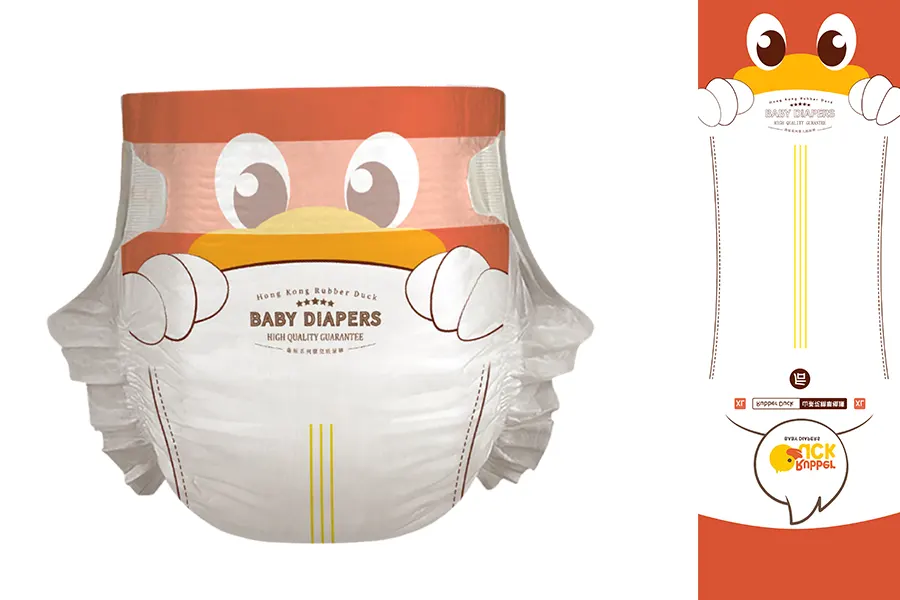
OEM Baby Diapers

Customized solutions for OEM partners around the world. We cater to brand specifications from the topsheet nonwoven fabric to the finished product packaging.

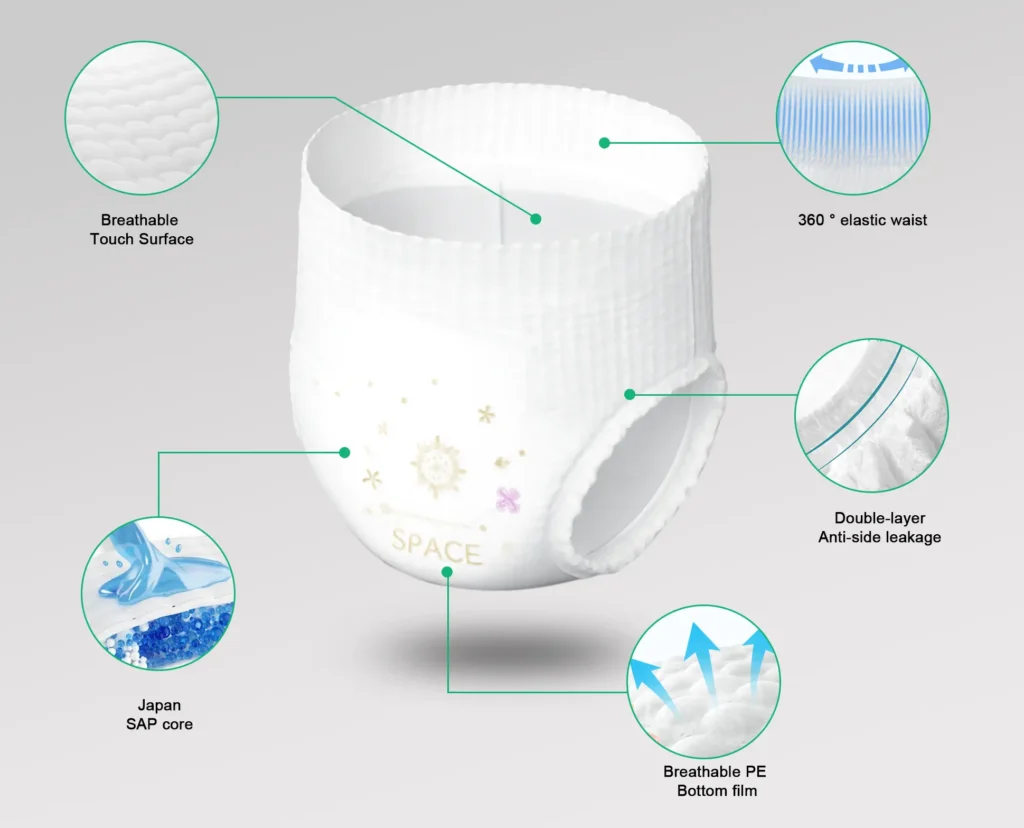
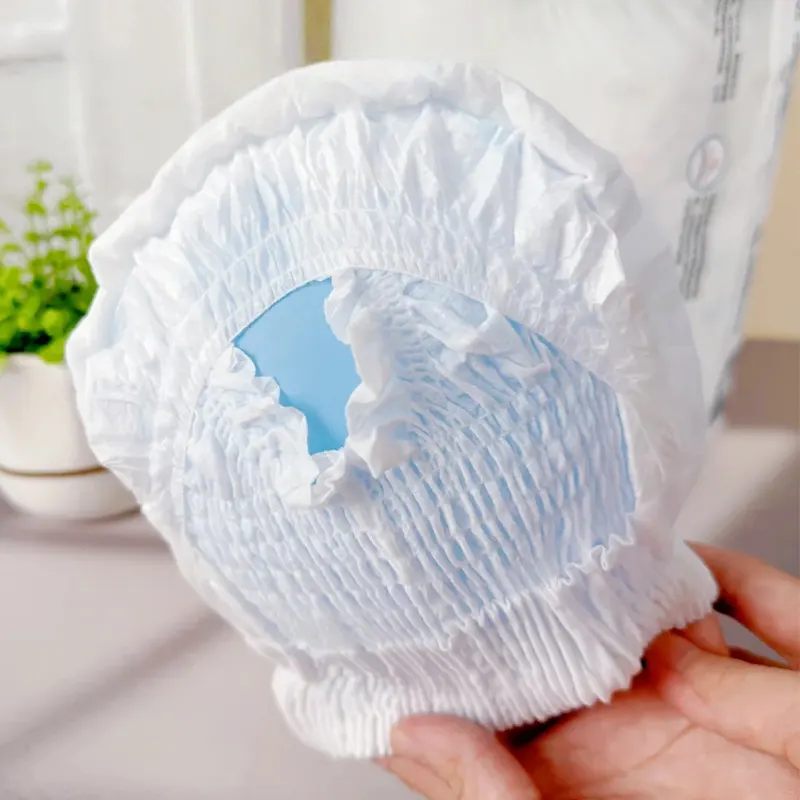
The side pictures of baby diapers show the leak guard design

What is baby diaper OEM?

In diaper manufacturing, OEM means the brand owner (the client) doesn’t produce the diapers themselves. Instead, they recruit a specialized factory (the contractor/OEM factory) to produce the good to the brand’s elaborate design, standards, and specifications. After production, the factory puts the brand’s trademark, and the brand owner takes care of the marketing and sales.

Lorem ipsum dolor sit amet, consectetur adipiscing elit. Ut elit tellus, luctus nec ullamcorper mattis, pulvinar dapibus leo.

Who needs baby diapers OEM?

Early-stage maternal & infant brand owners: No manufacturing in-house and limited capital; require asset-launch to rapidly put differentiated products in the market for sensitive skin and preemies to reduce risk of trial and error.

Established cross-over brands: diapers are not the core business (mother and baby products, private label in supermarkets/e-commerce) but intend to penetrate the category using existing channel and brand trust without the need for in-house production.

Regional channel partners/distributors: Possess offline resources like baby stores and regional agencies, wish to escape margin squeeze from big brands by increasing profits with region specific custom products like ultra-breathable for the south and warmers for the north.

Corporate-procurement clients: need custom packaging for small batches with printed logos and greetings for giveaways, employee gifts, or co-branded cross-promotional gifts like a bundle of formula and diapers.

Cross-border e-commerce / export clients: Target overseas markets and require products that comply with destination-country regulations (e.g., CE, FDA certifications) and consumer habits, leveraging OEM for volume exports.

Customer TypeBest Fit: Wholesale vs. OEMCore Needs
Regional distributors / wholesalersMainly wholesale; OEM as neededStable pricing & supply; margin room
Chain mother & baby stores / supermarketsMainly wholesale; private label via OEMQuality & value for money; complete SKU coverage
E-commerce / livestreaming / community group-buyingMainly wholesale; move to OEM once matureHero SKUs & margin; speed & logistics
Corporate gifts / group purchasesWholesale (small-batch custom packaging)Custom LOGO/theme; small quantities
Cross-border e-commerce / exportPilot with wholesale, then OEMCompliance certifications, differentiation, price
Start-ups / small–mid maternal & infant brandsOEM-led; limited wholesaleAsset-light approach; differentiated products
Established cross-over brands (non-diaper)Primarily OEMBrand consistency; rapid new launches
Medical institutions / postpartum care centersMainly wholesaleHigh safety & hygiene standards; timely replenishment
Welfare / charitable organizationsMainly wholesaleCost-effectiveness & stable supply

Sub of our baby diaper OEM service

Size: Customized to target-market needs (e.g., Newborn, Sizes 1–6, or special sizes such as Preemie).

Core Performance: Absorbency (e.g., amount of superabsorbent polymer, SAP), breathability (e.g., backsheet film selection), and leakage protection (e.g., height of standing leak guards).

Material: Topsheet (e.g., cottony skin-friendly layer, nonwoven type), waistband (elastic waistband / hook-and-loop〔Velcro〕 material), and back-waist label (with or without an ID/branding tag).

Design & Packaging Customization

Graphic Design: Surface prints and color palette (should match target-market aesthetics—for example, minimalist styles favored in Europe/US, vibrant patterns in Southeast Asia).

Packaging Type: Pack counts (e.g., 20 pcs/bag, 50 pcs/bag), outer packaging material (plastic film, carton), and convenience features (e.g., easy-tear notch, resealable zipper).

Branding: Printing the customer’s brand logo, trademark, and product information (multilingual labeling such as English plus the local language), and compliance labels (e.g., environmental marks, production lot/batch number).
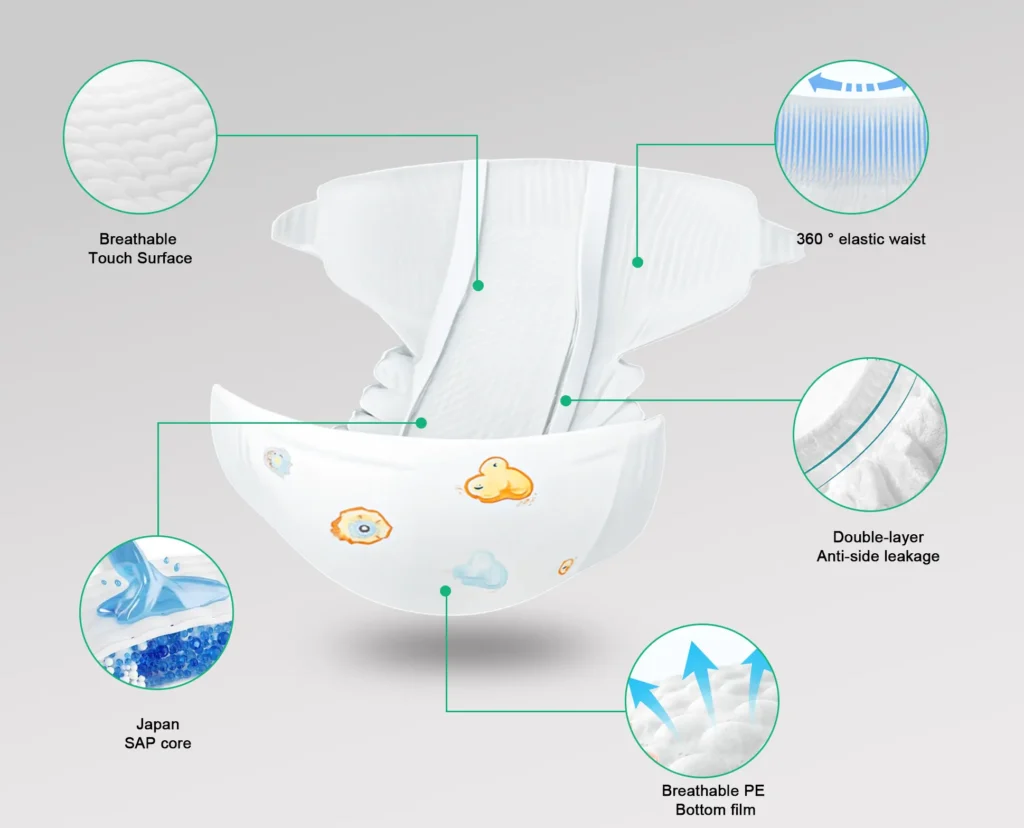
OEM Baby Diapers Topsheet Material

We offer multiple of topsheet nonwoven options to meet different needs and provide diverse user experiences:

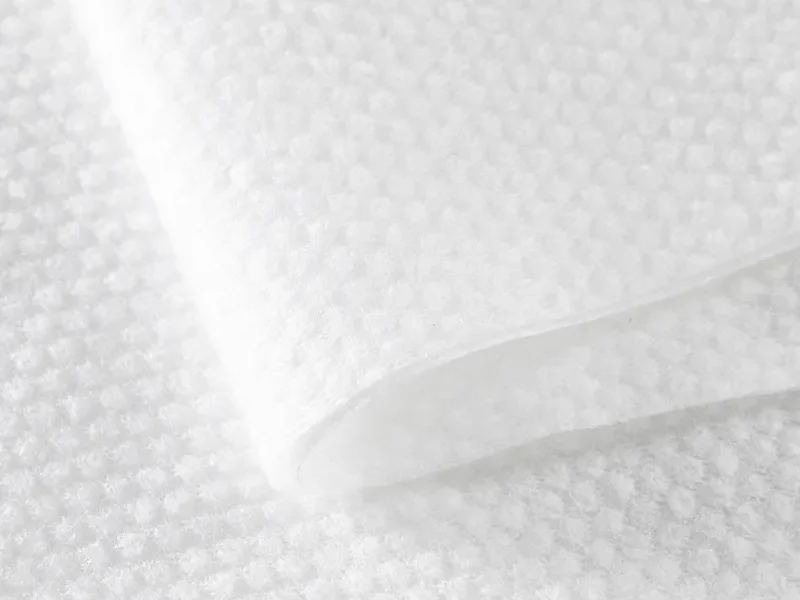
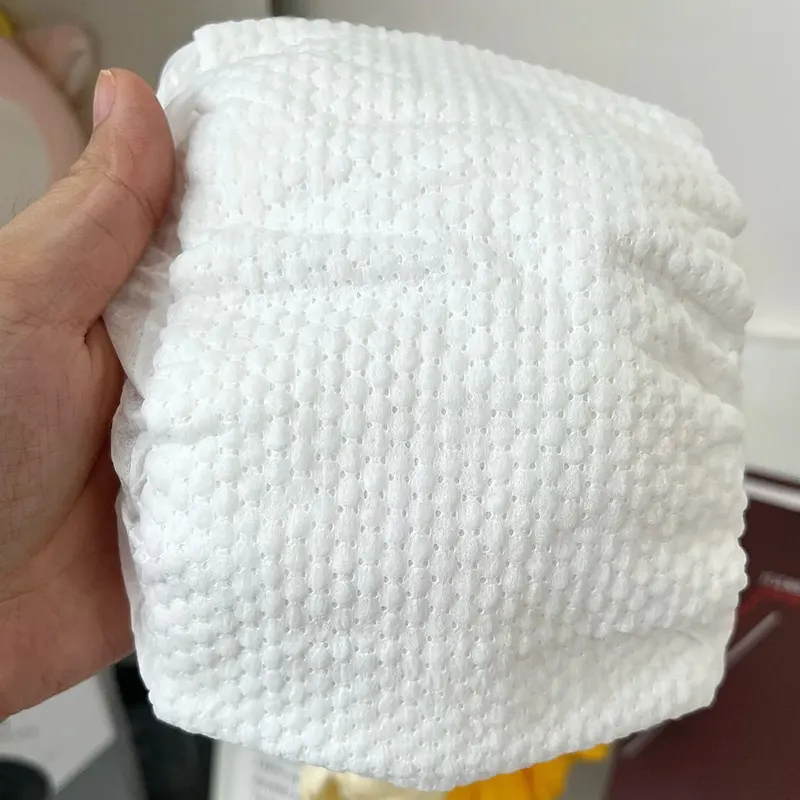
White hot-air nonwoven topsheet close-up

Hot-air Nonwoven

Hot-air nonwoven is a premium material for diaper topsheets. It offers excellent softness and breathability, increases airflow inside the diaper, effectively reduces the incidence of diaper rash, and is less expensive than pure cotton fabric.

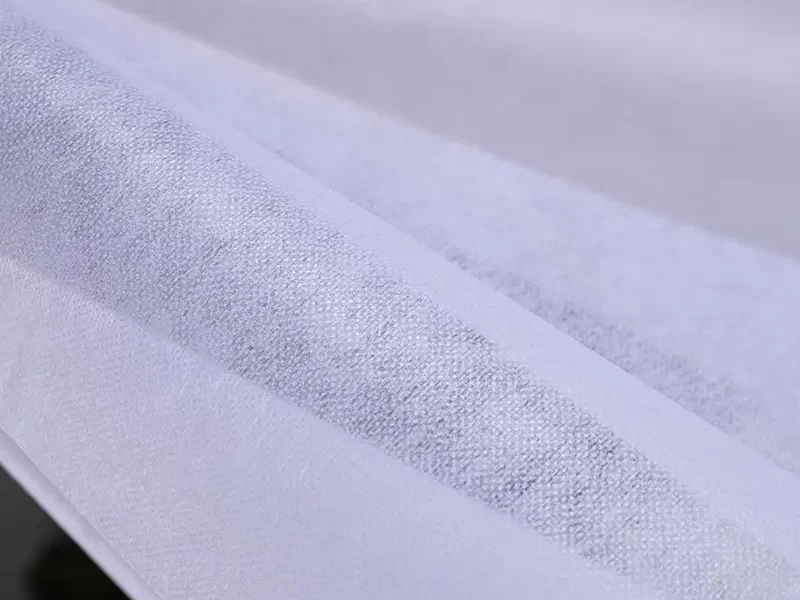
White spunbond nonwoven topsheet fiber detail

Spunbond Nonwoven

Spunbond nonwoven is made without using staple fibers; polymer granules are directly extruded into filaments, laid into a web, and then bonded by heat and pressure. It has a high mechanical performance with a high tensile strength, and is, extremely thin. However, it is less soft and breathable than hot-air nonwoven.

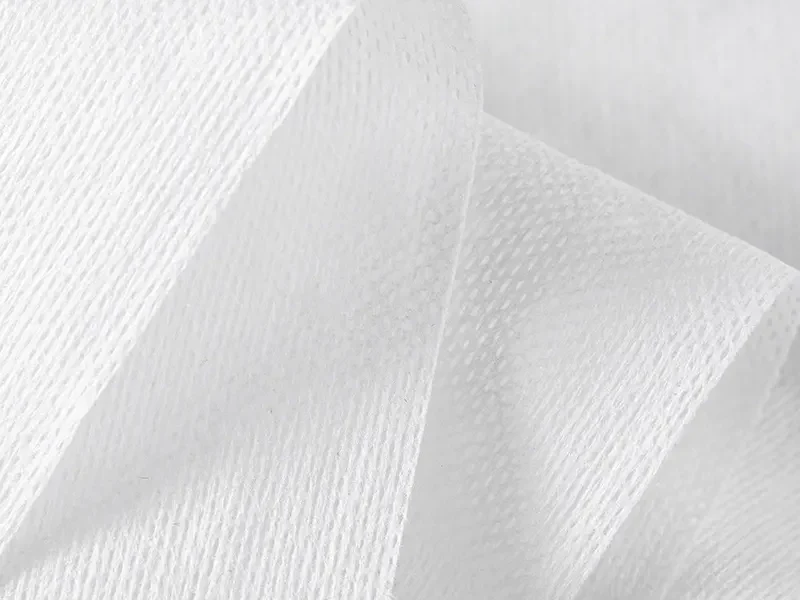
Large-pore breathable mesh topsheet close-up

Pure Cotton

Pure cotton fabric is soft and fluffy. It is kind to the skin, and reduces friction on the baby’s skin which lowers the risk of allergies. Some products are weakly acidic and contain no harmful substances, making it skin friendly. However, it is expensive.

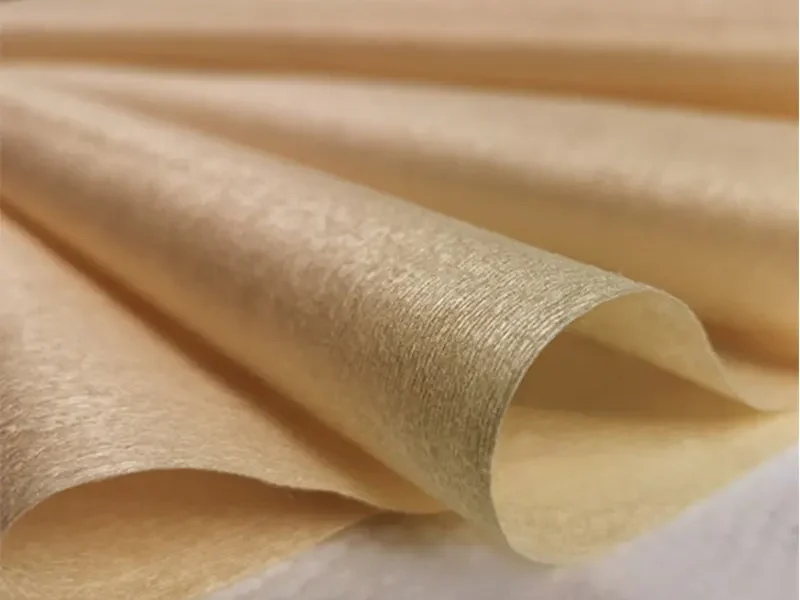
Champagne nonwoven roll (top/inner layer) close-up

Bamboo-fiber

The fabric derived from bamboo fibers has strong absorbent qualities. In addition, it has good breathability and has antibacterial properties. It also does not retain odor and is gentle on a baby’s skin. However, it is quite pricey.

Baby Diapers Fabric Embossing Examples

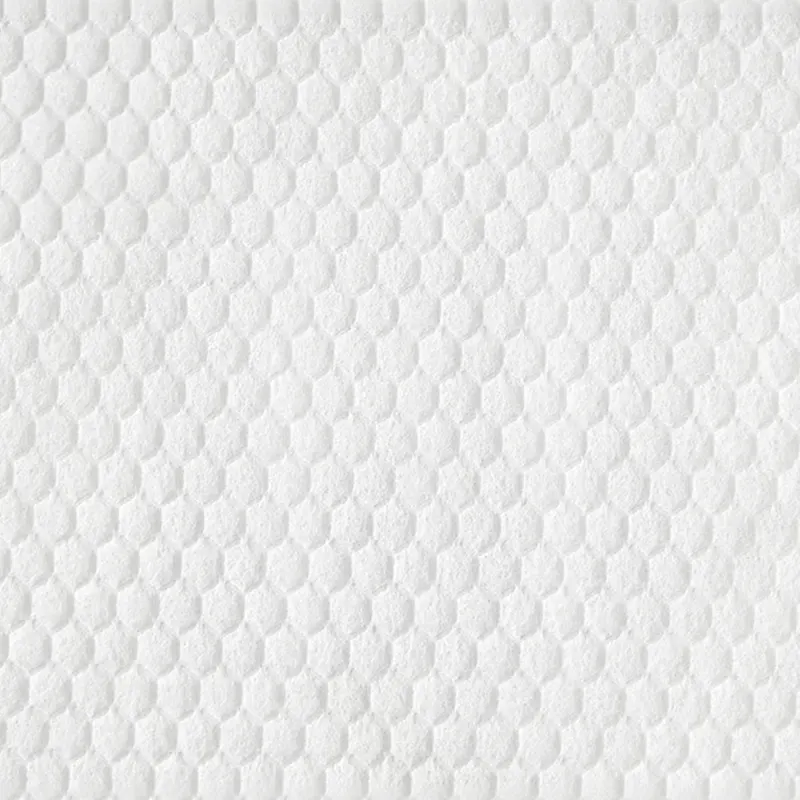
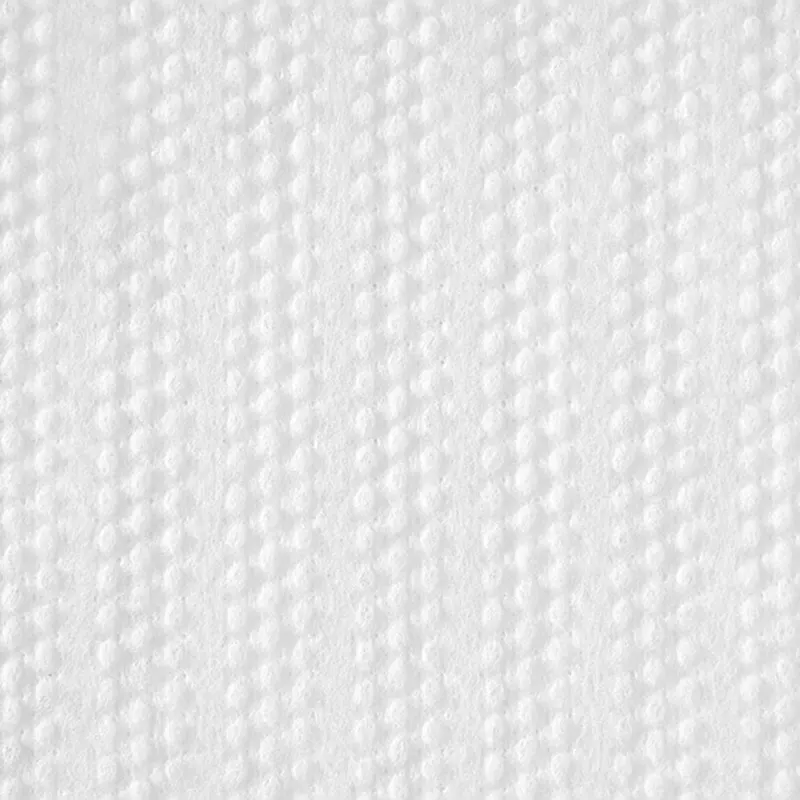
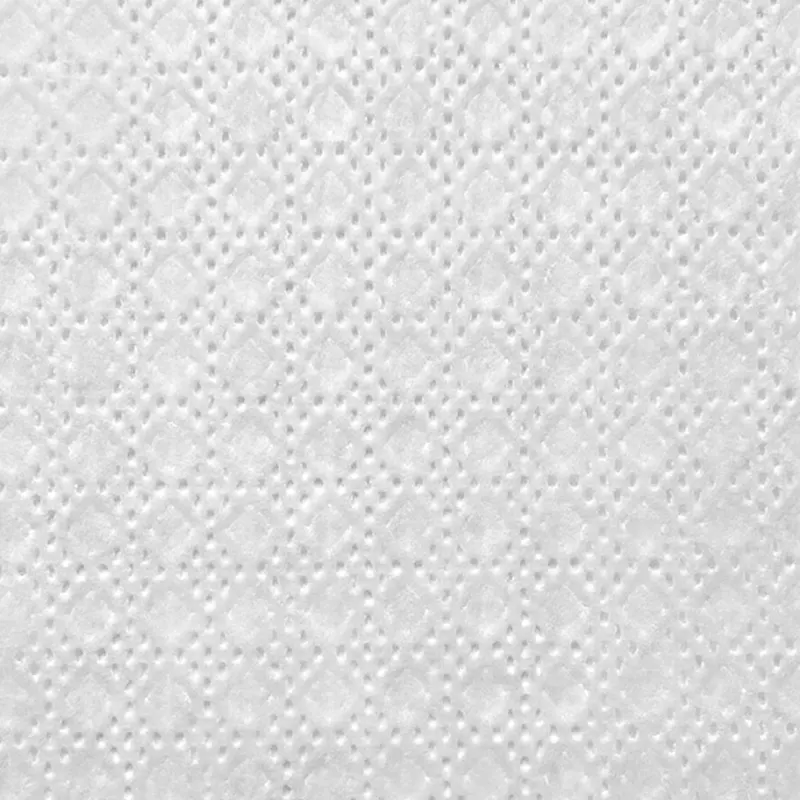
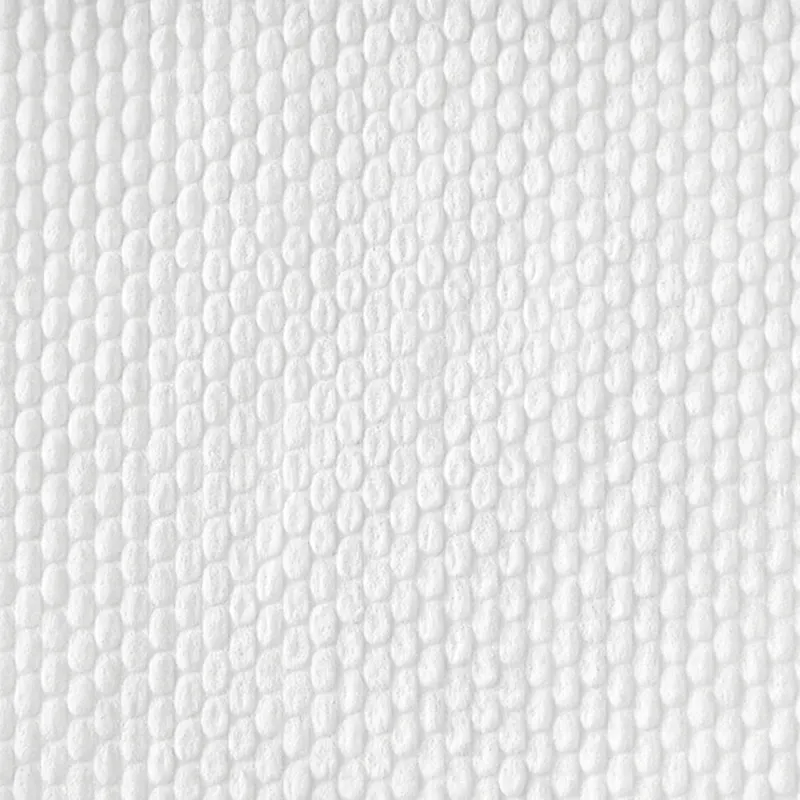
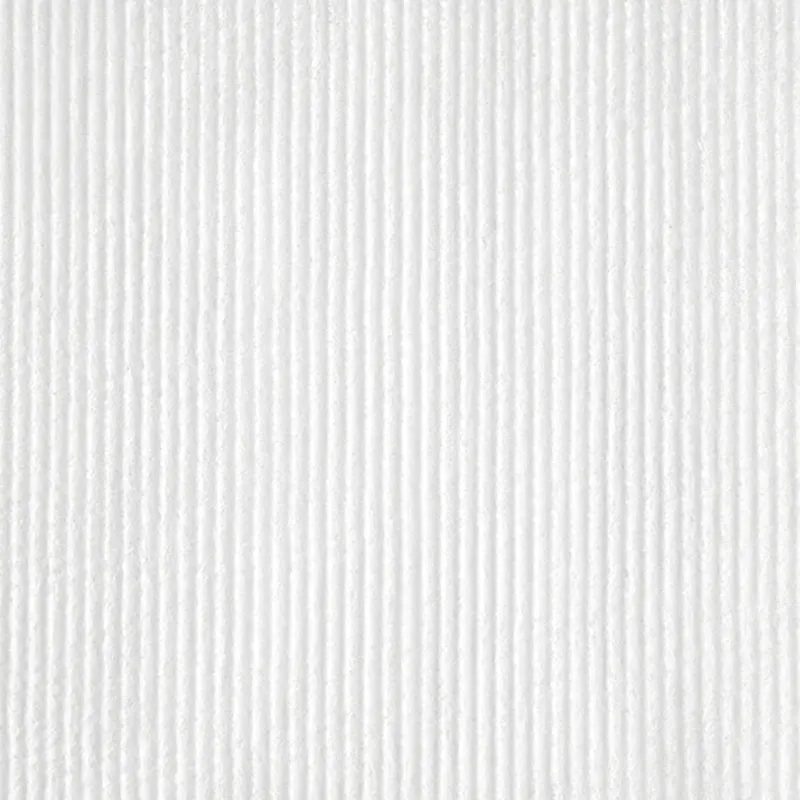
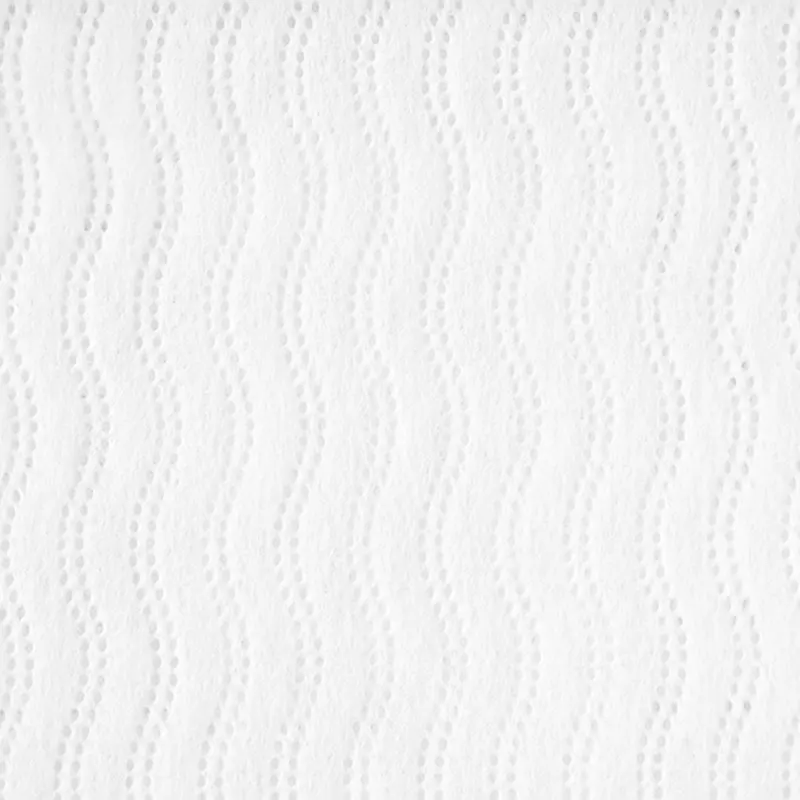
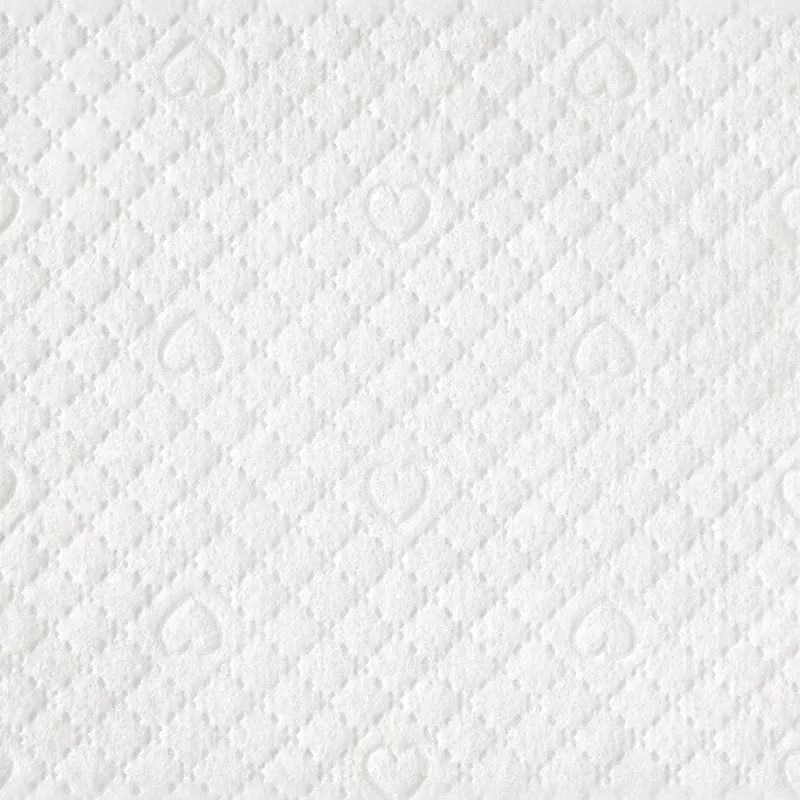
With custom embossing, a fine mesh grid, active wave patterns, and many more can be created. These patterns improve air circulation and allow the fabric to conform to the skin more comfortably. Such marks improve brand recognition, increase the surface area of the fabric, and promote rapid dissipation of moisture. These additions will allow the user to enjoy the brand’s distinctive “dryness + aesthetics” experience and allow the brand to build memorable visuals and uses.

Hand holding topsheet emboss sample — diamond pattern
Hand holding topsheet emboss sample — pearl dot pattern
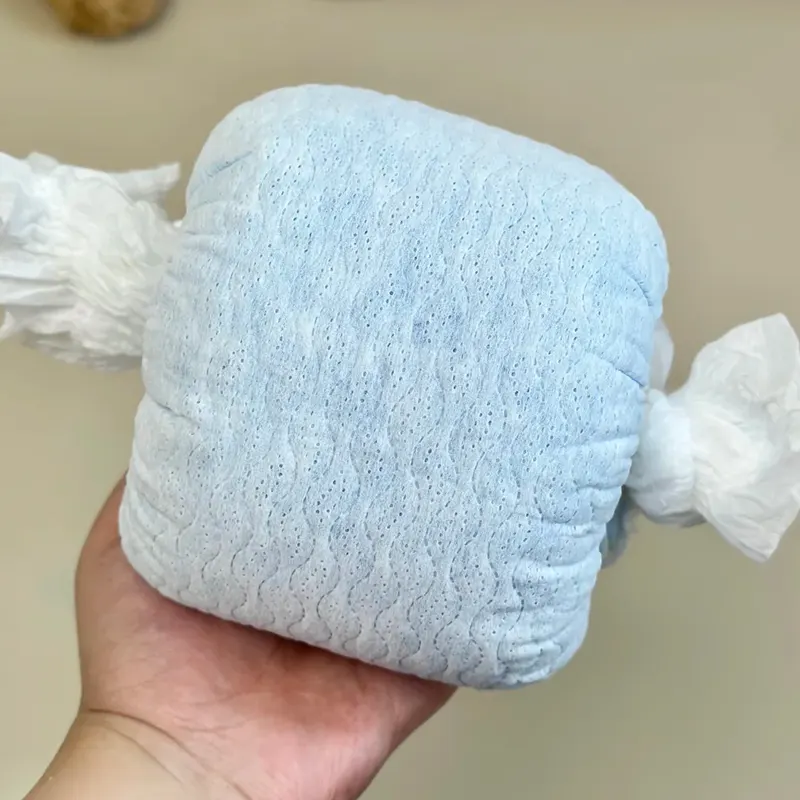
Hand holding a wet diaper showing an intact, bonded SAP core—no core break, clumping, or sagging.
Baby diapers non woven Emboss swatch — grid pattern
Baby diapers non woven Emboss swatch — fine grid pattern
Baby diapers non woven Emboss swatch — twill pattern
Baby diapers non woven Emboss swatch — polka dot pattern
Baby diapers non woven Emboss swatch
Baby diapers non woven Emboss swatch — slub texture pattern
Baby diapers non woven Emboss swatch

OEM Baby Diapers Core Structures

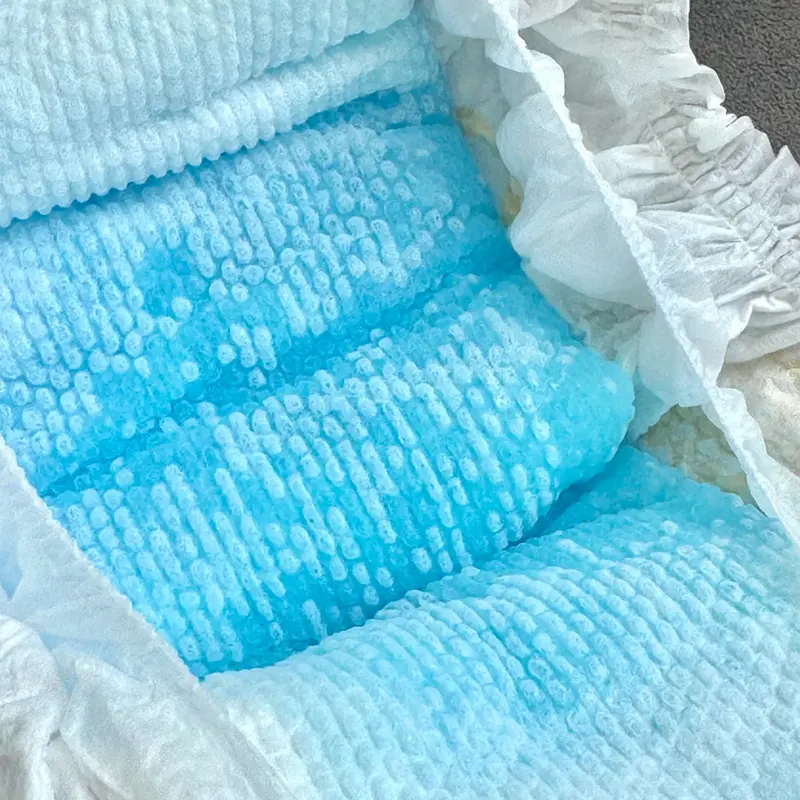
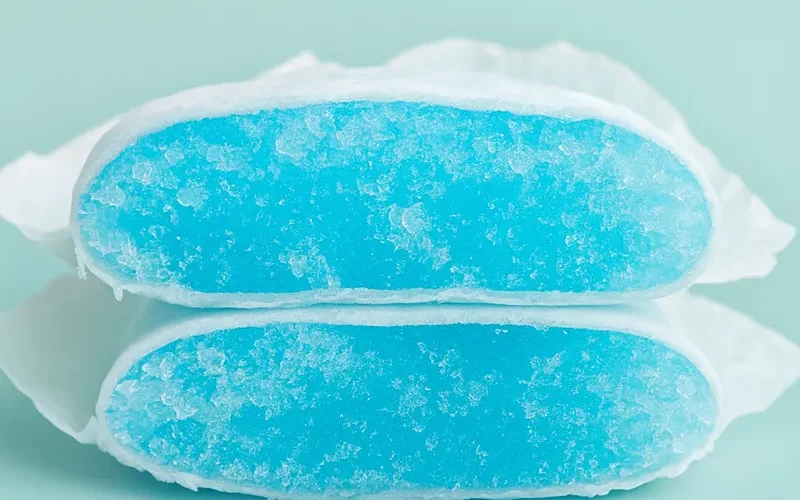
For varying scenarios of urination, core basis weight can be adjusted flexibly. From low basis weights to high-capacity, instant absorption, and light-weight to heavy-duty and low-capacity options, precise control guarantees efficient liquid uptake. This allows the product to match the varying stages of growth and usage habits of the babies.

Close-up of diaper core cut open, showing blue superabsorbent polymer (first-use SAP)

Basis Weight Can Be Customized

For varying scenarios of urination, core basis weight can be adjusted flexibly. From low basis weights to high-capacity, instant absorption, and light-weight to heavy-duty and low-capacity options, precise control guarantees efficient liquid uptake. This allows the product to match the varying stages of growth and usage habits of the babies.

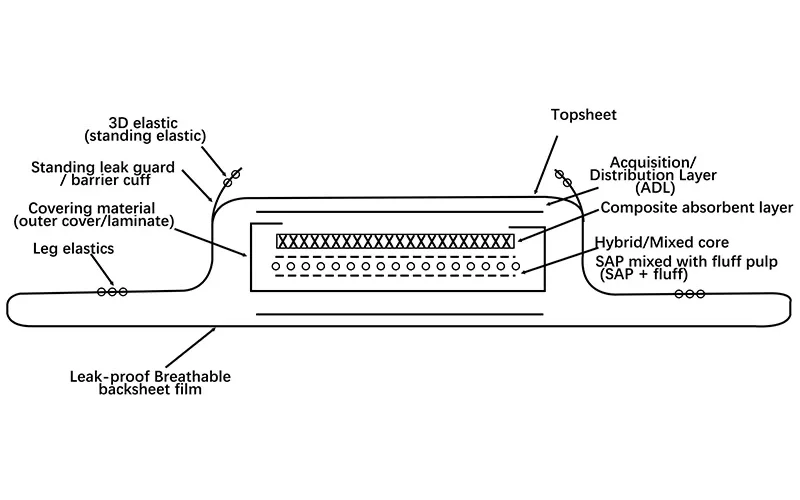
Baby Diaper core structure diagram — mixed structure

Mixed-structure Type

The absorbent core constitutes a mixture of SAP and fluff pulp. Features: SAP and fluff pulp interlace and blend to create numerous capillaries and voids which will enhance the liquid penetration and diffusion and growth of the absorbent body while reducing the rewet. In comparison to other structures, its most notable merits are its very good intake speed, diffusion and absorption capacity, and dryness. Its disadvantage includes increased thickness and increased tendency of the core to delaminate.

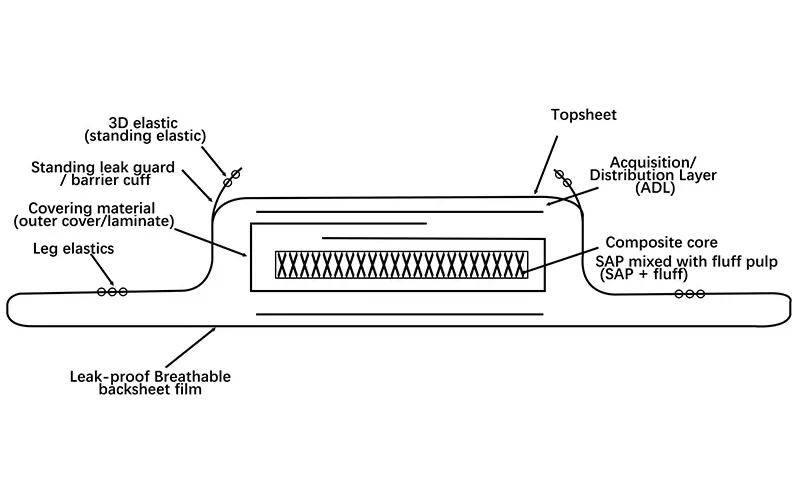
Baby Diaper core structure diagram — composite/segmented structure

Composite-core Structure Type

The absorbent structure is usually made of SAP composite paper together with SAP-mixed fluff pulp. Features: the SAP composite paper has a high degree of integrity and is very difficult to break, while the SAP-mixed fluff pulp is able to enhance penetration, diffusion, and therefore, the absorbent capacity of the diaper combining the advantages of both materials.

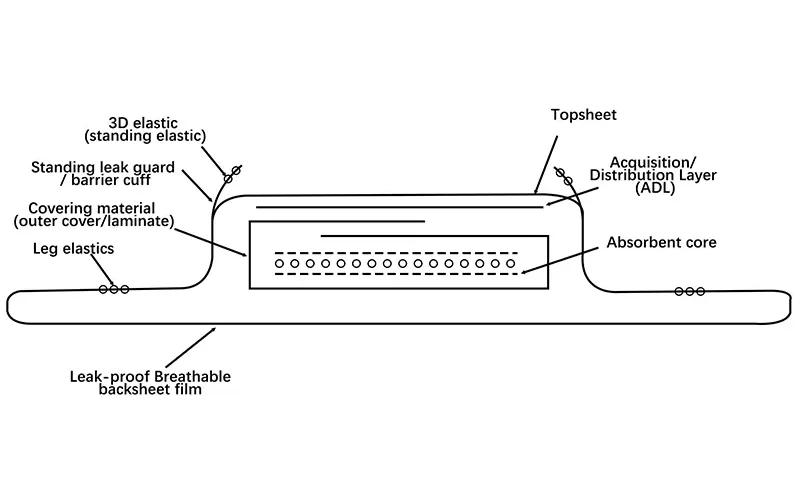
Baby Diaper core structure diagram — pure material core

Pure-core Material Structure Type

The absorbent structure consists of SAP composite paper. Features: the SAP composite paper is known to have a high degree of integrity and is very difficult to break, which resulted to thinner and highly break resistant products. Its disadvantages compared to other structures is the weaker penetrating, diffusing, absorbing, and rewetting performance.

PE Backsheet Pattern Customization

As for the personalized pattern printing, we can carry out more than just brand-specific logo patterns, we can also include cute cartoon logos and even minimalist designs. Through a secondary printing process, creativity is transformed into vivid images via secondary printing. The combination of practicality and brand communication value is transformed into a visual signature.

PE backsheet printed diaper sample with cartoon graphics

Patterns Can Be Printed According To Your Images

The design for the diaper packaging is unconventional, and therefore unique and customizable. Elements can include caring motifs, or come in chic and modern and brand-story scenes. This enhances the product visual identity elevate and fosters deeper connection.

Packaging Also Can Be Tailored To Your Needs

Disable the borders and start to shape your “exlusive visual symbol” by having a professional adorn the process.

A custom label branding choice for OEM natural baby diapers is featured on a simple white bag.

Packaging Design Can Be Custom Tailored To Your Needs

Through collaboration, the design team can mold a solution to the packaging from structure to visuals in all dimensions. We create a solution for the package form while considering warehousing, transport, and display needs. In alignment with the brand tone, we create a packaging solution with brand-consistent colors, layout, and materials, making the package an extension of product marketing and brand image.

Tour Our Baby Diaper Production Plant

Through advanced technology and automation, coupled with rigorous sanitary measures, we ensure each diaper is manufactured to the highest safety and functionality requirements.

How We Test Our Baby Diapers?

A series of tests were carried out to evaluate the physical properties of baby diaper  materials, including pilling resistance, softness, fluorescence response, and elasticity.

Baby Diaper material Pilling Test

Compare the results under different conditions. Record the amount of pilling and surface changes. Use the data to evaluate material performance. Improve the surface material based on the test results

Baby Diaper Fabric Softness Test

The diaper fabric was cut and tested with a softness tester. The results were P = 124 mN (softness force) and L = 9.37 mm (compression depth), showing good softness.

Fluorescence Test of Diaper

A diaper and A4 paper were placed in a fluorescence observation box. The A4 paper turned purple under the light, but the diaper stayed the same. This shows the diaper does not contain migratory fluorescent substances.

Elasticity Test of baby diapers

Cut the waistband area of the baby diapers and fix it on the tensile tester. Start the test and record parameters such as maximum force, tensile strength, and elongation at break.

Contact Us

Contact Us

Once we receive the detailed information regarding your request, your assigned customer representative will contact you shortly.